








Raising children is one of the most demanding, emotionally draining, and uncertain responsibilities in life. Still, people often act as if parenting is an exact science: just follow the right steps and everything will turn out well. But real life shows us something very different.
We have all witnessed examples that challenge this simplistic view of parenting. Drunkards have raised priests. Holy families have raised drunkards. Engineers, professors, and doctors have raised children who struggle academically. Chiefs, politicians, and respected community leaders have seen their children become criminals. At the same time, peasant farmers have raised doctors, lawyers, and successful entrepreneurs. Men and women who grew up in poverty have risen to extraordinary heights, while some who inherited privilege and wealth have squandered every opportunity placed before them.
All these examples show an uncomfortable truth: there is no manual for parenting.
If raising kids was just about following a set of rules, then every good parent would have successful children, and every struggling parent would have struggling kids. But life doesn’t work that way. People aren’t machines that always give the same results. Each child has their own personality, talents, weaknesses, hopes, and dreams. Even siblings raised in the same home by the same parents can turn out very different from each other.
Parents undoubtedly have a crucial role in shaping their children’s values and character. They provide love, discipline, guidance, protection, and opportunities. They teach right from wrong and attempt to prepare their children for the realities of life. However, there comes a point where every child begins making independent choices. Friends, teachers, social environments, social media, cultural influences, personal experiences, and individual decisions all contribute to shaping the person they eventually become.
This reality should make us cautious about assigning either total credit or total blame to parents for the outcomes of their children’s lives.
When a young person does well, people often praise the parents as if they are the only reason for the success. If a child struggles or makes bad choices, those same parents are often blamed. Parents do have a big influence, but they are rarely the only reason for how someone’s life turns out.
History shows us many people who came from tough backgrounds and still achieved great things. There are also plenty of people who had every advantage but didn’t make the most of them. Success and failure depend on many factors, and a lot of them are outside any parent’s control.
Another reason not to judge quickly is that we almost never know the whole story behind a family. The parent being criticized might have spent years giving up their own comfort to help their child. They may have worked long hours, faced money problems, prayed constantly, and done everything they could to guide their children. People on the outside usually see only the result, not the struggle.
In the same way, the child being judged might be dealing with problems that no one else can see. Things like mental health issues, peer pressure, addiction, trauma, learning challenges, or personal crises are often hidden. What looks like failure could just be one part of a much bigger story that isn’t finished yet.
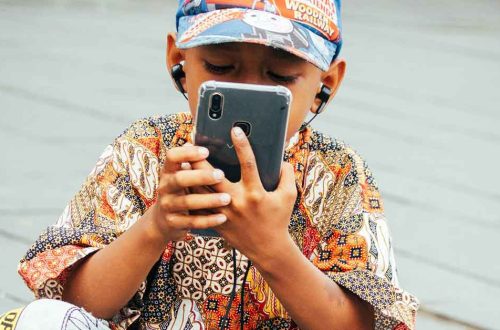
Parenting is even more complicated today than it was in the past. Now, parents have to deal not just with local influences, but also with a global digital culture that reaches kids through smartphones, social media, entertainment, and online groups. Sometimes, a child is influenced more by people far away than by those in their own home. The village that once helped raise children has turned into a huge and unpredictable digital world.
In this kind of world, even the most careful parents can’t keep track of every influence, conversation, or idea their children come across. The challenges parents face today are often much bigger than those faced in the past.
One of society’s biggest mistakes is thinking that success only means one thing. Too often, we judge success by money, grades, job titles, or social standing. But real success can look very different for different people.
For one family, success might mean raising a doctor. For another, it could mean helping a child beat addiction. For someone else, it might be raising a kind, honest, and responsible person. Some of the best things people achieve never show up on a résumé, earn a diploma, or get public praise.
Success is different for everyone because each person’s path is unique. A child who grows up poor and builds a stable life has achieved something just as impressive as a child who graduates from a top university. A parent whose child learns to be honest and kind has succeeded in ways that can’t be measured by money or status.
That’s why it’s important to stay humble when we look at other people’s lives. Someone who is praised today might face tough times tomorrow. A child who struggles now could become a leader in the future. Life often surprises those who judge too quickly or think they know it all.
Instead of judging parents or making guesses about other people’s children, we should try to be understanding. Parenting is one of the few jobs where you can work incredibly hard and still not know how things will turn out. It takes patience, sacrifice, wisdom, strength, and often a lot of faith. Even with all that, there are no promises.
The next time you feel like making fun of a parent for their child’s mistakes, or bragging about your own child’s success, remember that life isn’t simple math. People are complicated. Things change. Children grow up and make their own decisions.
There’s no manual for parenting. No parent does everything perfectly. No child’s life goes exactly as planned. Maybe that’s why we should talk less about other people’s children and show more kindness to those who have the tough job of raising them.
In the end, success means different things to different people. It’s easy to judge, but it’s much more valuable to try to understand.