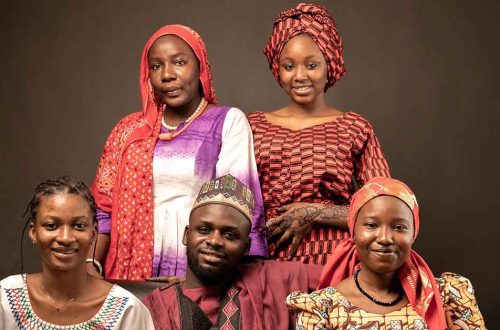









Historically, marriage was regarded as a lifelong commitment, with couples entering the union aware that challenges were inevitable and perseverance was essential. In contrast, contemporary divorce rates remain high in many regions, and numerous marriages fail to endure beyond a few years. Although each relationship is distinct, a range of social, cultural, and personal factors have contributed to the decline in marital stability.
The Decline of Endurance and Commitment
A key distinction between previous generations and the present is the degree of endurance individuals demonstrate within marriage.
Earlier generations frequently encountered poverty, illness, family conflicts, and various hardships, yet many couples remained together for decades. While these marriages were not without flaws, they were generally perceived as commitments that necessitated sacrifice, patience, and perseverance.
Contemporary society frequently encourages immediate gratification. When challenges arise, individuals are often more inclined to end relationships than to resolve underlying issues. The prevailing mindset has shifted from seeking solutions to seeking replacements, leading to relationships being treated as commodities to be exchanged when expectations are not met.
The Influence of Feminism
The emergence of feminism has led to numerous positive outcomes, such as expanded educational opportunities, greater workforce participation, and enhanced legal protections for women. Nevertheless, some critics contend that certain contemporary interpretations of feminism have influenced marriage in ways that generate tension.
Traditional marriages typically operated with clearly defined roles, wherein men were expected to lead and provide, while women managed domestic responsibilities. In contemporary contexts, many couples reject these traditional structures, resulting in uncertainty regarding expectations and responsibilities.
Some scholars argue that modern feminism has promoted an excessive emphasis on individual independence, potentially undermining family unity. When personal fulfillment is prioritized above all else, compromise and sacrifice, which are essential for marital success, may become increasingly challenging.
The Decline of Submission and Cooperation
In numerous cultures and religious traditions, wives were encouraged to submit to their husbands’ leadership within the family structure, while husbands were expected to demonstrate love, protection, and provision for their wives.
Currently, the concept of submission is frequently perceived negatively, with many women regarding it as outdated or oppressive. Consequently, power struggles may arise when both spouses seek to assert authority within the relationship.
Successful marriages, however, require cooperation from both partners. While some perspectives emphasize female submission, it is equally critical to acknowledge that husbands must exercise leadership responsibly, fairly, and with genuine care. Authority without responsibility can result in abuse, whereas independence without cooperation may foster conflict.
The Impact of Multiple Previous Relationships
A significant number of individuals enter marriage with emotional baggage resulting from multiple previous relationships.
Each serious relationship leaves emotional imprints, memories, comparisons, and occasionally unresolved psychological wounds. Individuals who have experienced repeated heartbreak may develop trust issues, fear of commitment, or unrealistic expectations.
Additionally, a culture of casual dating can make long-term commitment more difficult. When people become accustomed to constantly searching for the next option, they may struggle to fully invest in one person for life.
The “grass is greener” mentality has been amplified by social media and dating apps, where alternatives seem endlessly available.
Infidelity and Cheating
In recent times, cheating remains one of the leading causes of divorce and marital breakdown.
Modern technology has made infidelity easier than ever. Social media, private messaging apps, and dating platforms provide opportunities for secret communication that previous generations did not have.
Many affairs begin not with physical intimacy but with emotional connections formed online. Once trust is broken, rebuilding a marriage becomes extremely difficult.
A marriage cannot thrive where loyalty is absent. Trust is the foundation upon which every successful relationship is built.
Unrealistic Expectations
Popular media, including movies, television, and social media, frequently present idealized, unrealistic portrayals of love and marriage.
There is a common expectation that a spouse should simultaneously fulfill the roles of best friend, soulmate, financial provider, therapist, entertainer, and consistent source of happiness. When these unrealistic expectations are unmet, disappointment often results.
Marriage cannot be emotions alone, as feelings are inherently variable. Commitment is the primary factor that maintains relationships during periods of diminished emotional intensity.
Social Media and Constant Comparison
In the past, individuals compared their marriages to those of others in their immediate social circles. Currently, people often measure their relationships against curated and idealized representations from a vast array of strangers online.
Exposure to images of luxury vacations, romantic gestures, extravagant weddings, and ostensibly perfect relationships can foster dissatisfaction with one’s own circumstances.
Frequent comparison with others is a significant factor that undermines gratitude and marital relationship commitment within marital relationships.
Financial Pressures
Contemporary economic conditions have shifted substantially compared to previous decades.
Increases in thein the cost of living, housing, education, and health impose significant stress on families. Financial disagreements are among the most prevalent sources of marital conflict.
For couples experiencing emotional difficulties, financial hardship frequently exacerbates pre-existing challenges.
The Decline of Community and Family Support
Historically, many families resided near extended family and benefited from guidance from parents, grandparents, religious leaders, and community elders.
Currently, numerous couples attempt to manage marital challenges independently. In the absence of robust support systems, minor issues may escalate into significant crises.
Marriage is not intended to function in isolation; strong community networks frequently reinforce marital stability.
The Culture of Self-Interest
Modern culture frequently emphasizes expressions such as “Do what makes you happy” or “Live your truth, ” which may be beneficial in certain contexts; however, when applied without moderation, they can undermine long-term commitments. They can undermine long-term commitments.
Marriage requires compromise. It requires putting another person’s needs alongside your own. A relationship cannot survive if both partners constantly ask, “What am I getting?” instead of “What am I giving?”
Conclusion
The decline of modern marriages cannot be attributed to a single cause. Factors such as infidelity, unrealistic expectations, financial pressures, social media influence, multiple previous relationships, ignored red flags before marriage, reduced endurance, changing gender roles, shifting cultural values, and the growing tendency to maintain exit strategies all contribute to the challenges many couples face today.
At its core, however, a successful marriage still depends on the same timeless principles that sustained relationships for generations: commitment, loyalty, sacrifice, patience, respect, forgiveness, cooperation, and mutual responsibility. No marriage is free from conflict, disappointment, or hardship. The difference lies in how couples respond when those difficulties arise.
Perhaps the greatest difference between many modern marriages and those of previous generations is not that couples face more problems, but that many people now enter marriage with lower tolerance for hardship, higher expectations of personal fulfillment, and a greater willingness to walk away when reality fails to match their hopes. Previous generations often viewed marriage as a lifelong covenant that required perseverance through both good times and bad. Today, many view marriage through a more individualistic lens, prioritizing personal happiness over long-term commitment.
The truth is that marriages do not last because couples never encounter problems. They last because two imperfect people make a conscious decision, day after day, to remain committed to one another despite those problems. Love may bring two people together, but it is commitment, sacrifice, and endurance that keep them together when the excitement fades and life’s challenges inevitably arrive.