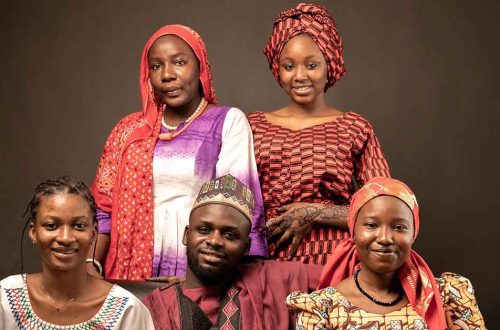









Within the fields of sociology and human development, the family is widely regarded as the foundational unit of civilization. Disruption of this structure, especially through paternal absence, can undermine the stability of subsequent generations. While contemporary discourse often emphasizes the resilience of single mothers, philosophical and sociological analyses suggest that male children raised in fatherless homes face significant disadvantages, frequently linked to negative societal outcomes.
This observation is not intended as a critique of single mothers, who frequently make substantial sacrifices for their children. Rather, it highlights a notable psychological and developmental gap. Boys do not innately acquire knowledge of healthy masculinity; such models must be demonstrated and transmitted intergenerationally. In the absence of this guidance, the effects may extend to broader social issues, including increased involvement with the criminal justice system.
The Psychological Vacuum and the Search for Direction
Understanding the challenges encountered by boys raised without fathers requires examination of the psychological processes involved in development. Fathers frequently provide a counterbalance to maternal nurturing by establishing boundaries, encouraging calculated risk-taking, and guiding the regulation of masculine behaviors.
In the absence of a father, young men may experience an unmet need for paternal validation and a model for navigating adulthood. This void is frequently filled by external societal influences.
When boys lack masculine guidance at home, they may seek it from alternative sources. Gangs, criminal organizations, and radical online communities often target these vulnerable individuals, offering a sense of brotherhood, strict codes of conduct, belonging, and perceived respect. Consequently, some boys adopt maladaptive values and behaviors, as these become the primary available models for masculinity.
The Challenges Faced by Single Mothers
It is important to recognize that the difficulties experienced by these young men are rarely attributable to insufficient maternal care. Single mothers are frequently required to fulfill both nurturing and disciplinary roles simultaneously.
- The Discipline Deficit: During adolescence, boys experience increases in physical strength and biological drives. Mothers, regardless of their dedication, may encounter challenges in enforcing boundaries as effectively as fathers typically do.
- The Economic Toll: These challenges are further exacerbated by the economic realities of single parenthood. Single-mother households consistently experience higher rates of poverty and financial instability, often necessitating that mothers work extended hours. This situation reduces parental supervision and increases the likelihood that boys will be exposed to negative influences during critical developmental periods.
The Statistical Reality: Global Patterns in Incarceration
Philosophical observations regarding fatherlessness are substantiated by global incarceration statistics. International data consistently indicate that prison populations are disproportionately composed of individuals raised without fathers.
- In the United States, a 2020 report by the Bureau of Justice Statistics noted that 63% of male prisoners were raised in single-mother households.
- In the United Kingdom, the Ministry of Justice reported in 2022 that over 70% of incarcerated youth came from single-parent homes.
- In Jamaica, an alarming 82% of youth offenders originate from single-mother households.
- Sociological meta-analyses consistently show that adolescents growing up in single-mother homes are 50% more likely to engage in criminal activities compared to their peers in two-parent households.
These statistics illustrate a substantial loss of human potential. Each data point represents an individual affected by the consequences of family instability.
The Search for Identity and Belonging
Father absence may also influence how some boys navigate questions of identity, self-worth, and belonging. Researchers have observed that children experiencing family instability often face higher rates of emotional distress, social difficulties, and an increased desire for acceptance from peer groups and communities outside the home.
However, it is important to distinguish between challenges related to emotional development and those concerning sexual orientation or gender identity. Current scientific evidence does not support the conclusion that fatherlessness causes an individual to become lesbian, gay, bisexual, or transgender. Instead, the effects of father absence are more consistently associated with outcomes such as behavioral difficulties, lower educational attainment, increased risk-taking, mental health challenges, and greater vulnerability to negative peer influences.
For boys lacking positive male role models, the primary concern is not sexual orientation but rather the absence of guidance, mentorship, discipline, and healthy examples of adulthood. Communities that offer strong male mentorship can help address these developmental needs and contribute to more positive life outcomes.
Restoring Effective Models of Masculinity
Addressing the challenges of youth crime, male disengagement, and social instability requires a focus on underlying causes rather than solely addressing symptoms. Incarceration alone is insufficient to resolve the broader issues associated with father absence.
Although it is not feasible to compel fathers to remain present in their children’s lives, the importance of positive male mentorship must be recognized. Communities, schools, religious institutions, and civic organizations should provide strong, ethical male role models for boys lacking paternal guidance. Such mentors can facilitate the development of self-discipline, responsibility, resilience, and a healthy understanding of masculinity.
Father absence can also influence how some boys navigate questions of identity, belonging, and self-worth. Young men who grow up without consistent male guidance may seek acceptance, validation, and a sense of purpose from peers, online communities, ideological movements, gangs, or other external influences. While family instability can contribute to emotional and developmental challenges, it is important to distinguish these struggles from issues related to sexual orientation or gender identity. Current scientific evidence does not support the conclusion that fatherlessness causes someone to become lesbian, gay, bisexual, or transgender. The broader concern is that boys lacking positive male role models may be more vulnerable to confusion, social isolation, low self-esteem, or unhealthy influences during critical stages of development. Therefore, societies seeking to reduce crime, strengthen families, and cultivate responsible future generations must invest in the presence of healthy fathers and dedicated male mentors.
Failure to acknowledge the vital role that fathers and positive male figures play in guiding boys toward constructive adulthood is likely to perpetuate the cycle of family instability and negative social outcomes.